Angelversary Ideas to Honor a First Year
Finding ways to mark the first anniversary of a death can feel impossible. These angelversary ideas offer gentle, meaningful ways to remember and carry a presence forward.
The first anniversary of a death—often called an angelversary—can arrive like a weather front: expected, yet unprepared for. The day asks for a small ritual, an acknowledgment, something that honors the person who shaped ordinary life. Below are ideas that name that need with care and clarity, and that make space for memory without forcing performance.
What an angelversary can be
An angelversary does not demand a public ceremony. It can be a quiet moment at the kitchen table, a walk along a familiar street, or a small family gathering where a memory is read out loud. The point is continuity—an occasion that stitches a past into the present so the person you miss is carried forward in an ordinary day.
Three reasons people mark the first anniversary
- To say their name out loud. Saying the name, especially in a new year without them, insists that they still matter. It is a simple act with a profound emotional return.
- To witness change. The first year often brings unexpected shifts. Marking the date allows you to notice how the landscape of daily life has altered and what has settled into place.
- To give grief a small ritual. Rituals turn private sorrow into an outward gesture that can be held. Even a single candle or a planted seed can hold that weight without needing to dissolve it.
Practical angelversary ideas
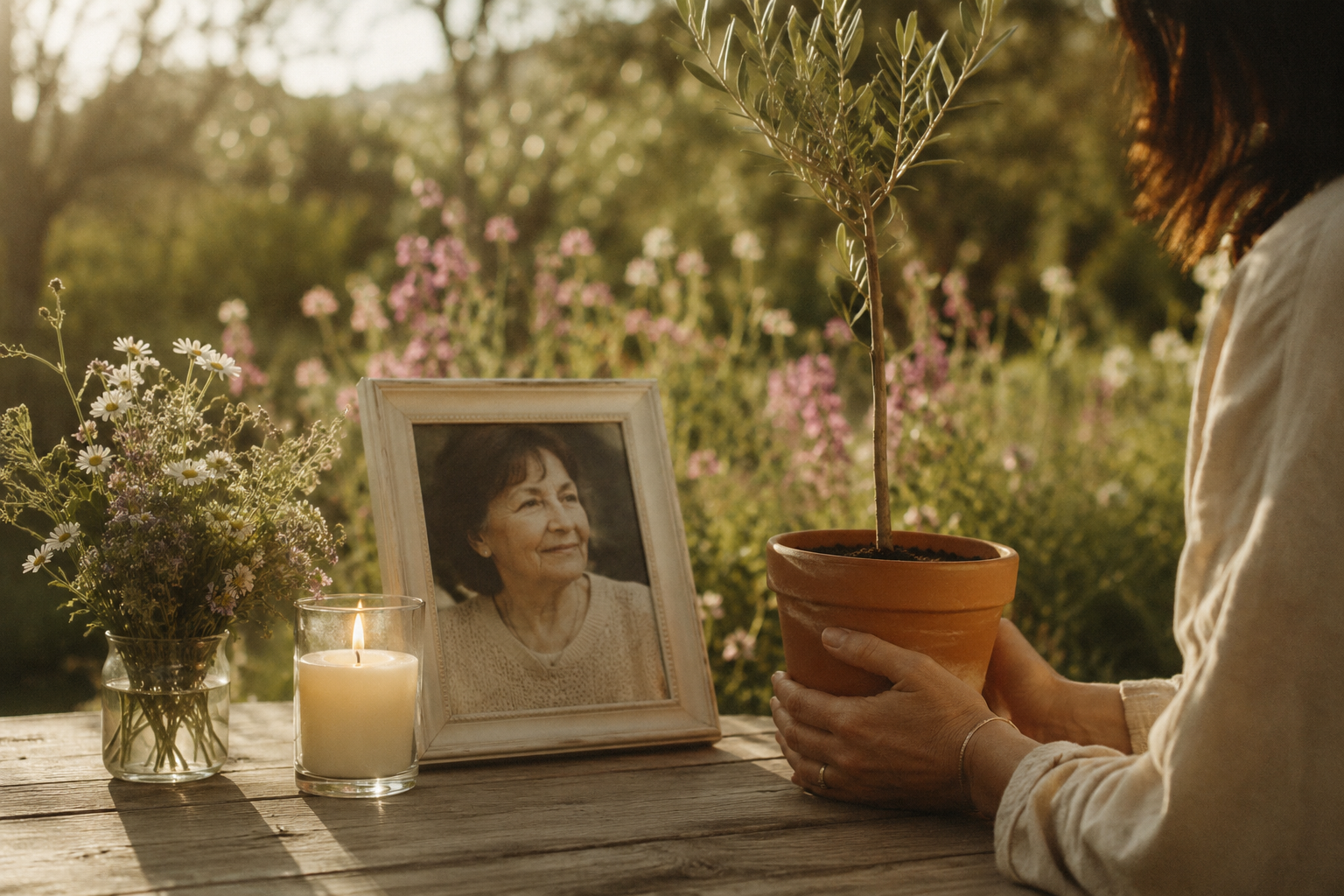
- Light a candle at the same time the person often woke up. Sit for five minutes and name one thing you remember.
- Gather a few photos and make a short playlist of songs that remind you of them. Play it while you prepare a meal they loved.
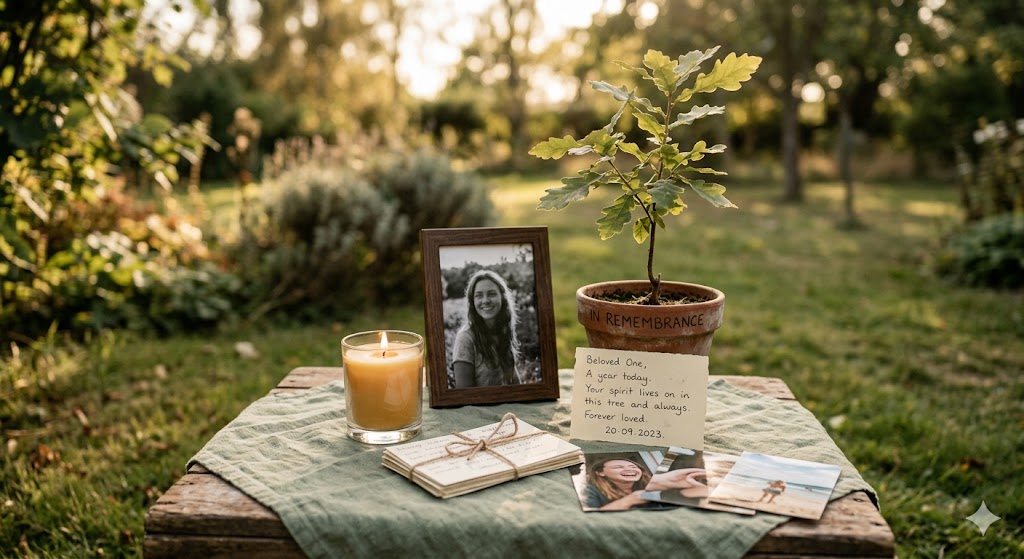
- Invite close friends to write a short memory on a card. Keep the cards in a box to open in future years.
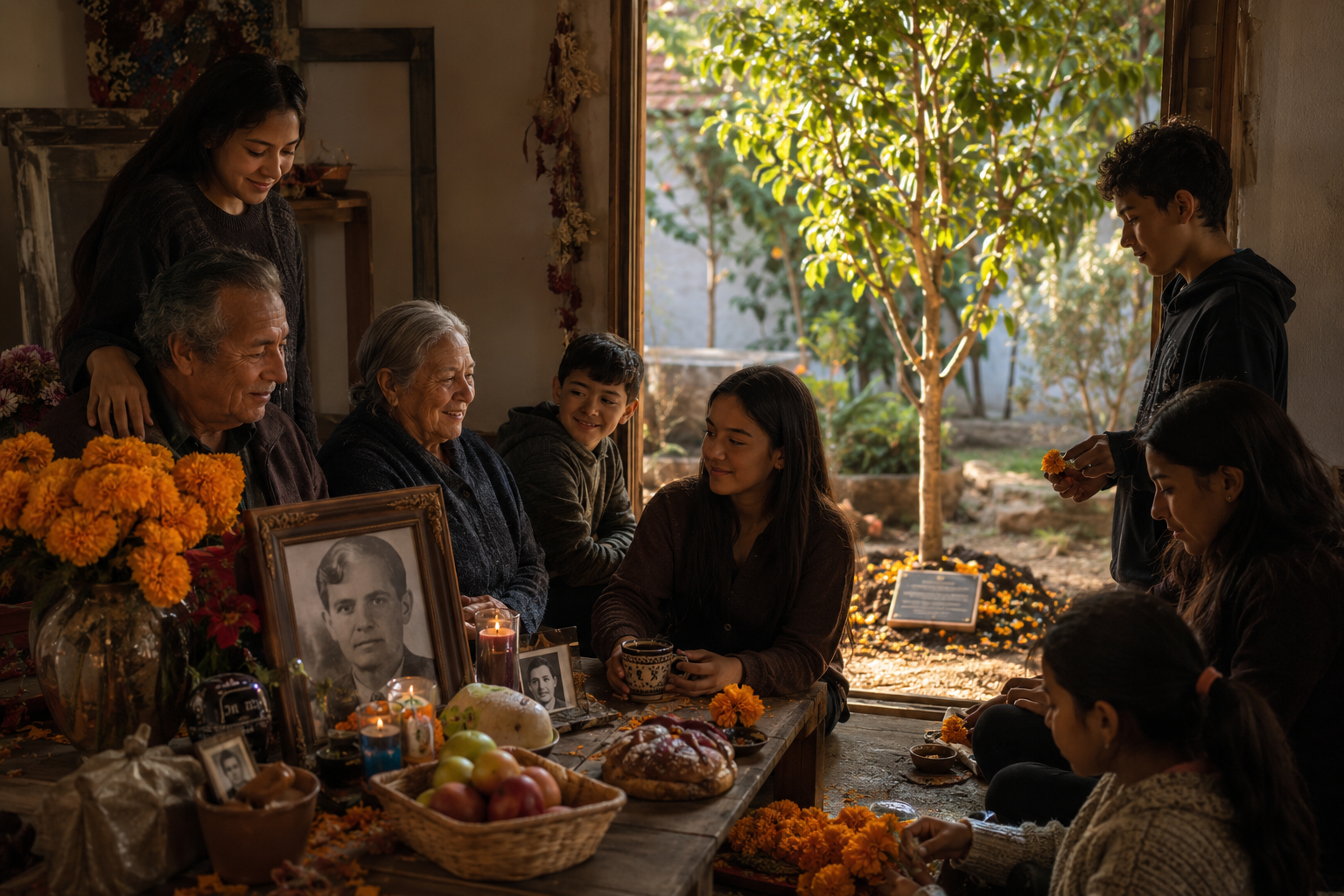
- Plant a living memorial, such as a tree or a small sapling, in a place that makes sense for the family.
- Donate a book in their name to a local library or school, and leave a short note inside explaining why.
- Visit a place they loved and take a single photograph. Keep it as a mark of presence rather than a performance for others.
Choosing something that fits
Not every idea will fit every person or every family. Ask: what would feel honest? What doesn’t ask for a performance? Small, repeatable actions often work best because they can be folded into life rather than become a one-time event that amplifies absence.
How a living memorial can help
Planting a tree gives a visual and ongoing marker that changes with the seasons. A sapling takes root, grows, and continues to exist in the world in a way that a one-day ritual cannot. Some families find comfort in returning to the same tree over the years, watching minutes turn into branches. Organizations such as Sentitree specialize in creating living memorials that feel quiet and enduring. They offer options to personalize the dedication and track the tree as it grows.
Occasions and uses
- First year anniversary of death
- Birthday remembrance
- Family gatherings where a memory is shared
- Anniversaries that were important to the person (wedding day, retirement)
- Community remembrance events
How Sentitree works
- Choose a tree species and location that resonates for the family.
- Provide the name and a short dedication for the memorial.
- Receive a personalized certificate and periodic updates on the tree’s growth.
Closing
The first anniversary does not demand a particular kind of memory. It asks only that you keep a small door open. Whether you light a candle, play a song, or plant a tree, that door is enough. For some families, a living memorial becomes the place they return to—year after year—to rest that remembrance in the world. For practical options and to explore meaningful memorials, see Sentitree.
Plant a tree in their memory
A lasting memorial that grows for generations, with a GPS certificate.
Plant a Memorial Tree →