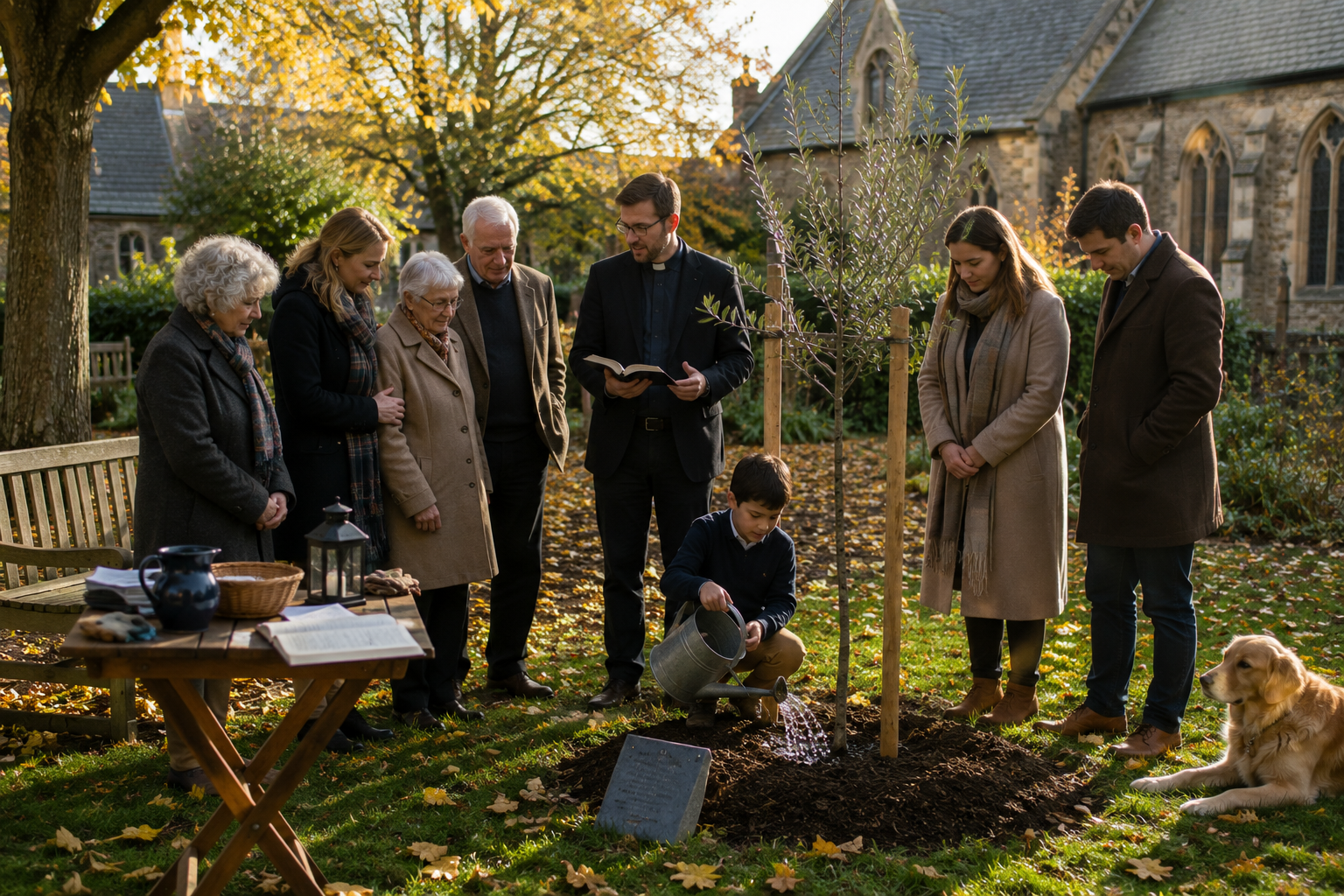
A Tree for the One Who Led the Congregation
How to honor a pastor, rabbi, or spiritual leader with a living memorial that reflects their service, values, and the community they nurtured.
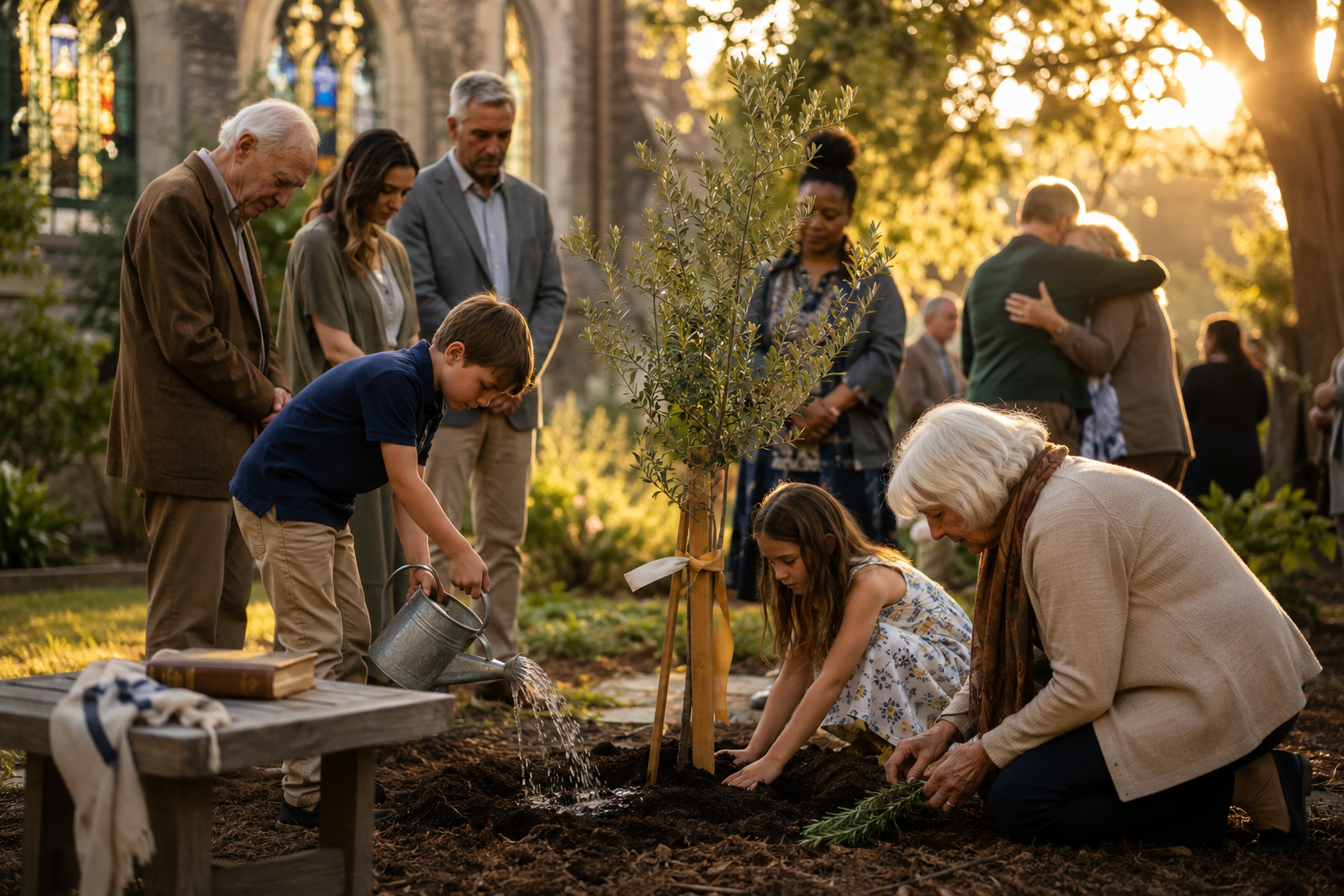
On a quiet Sunday after the service, someone placed a small sprig of rosemary at the front of the sanctuary and did not speak. The pews held a new kind of silence, not empty but full of attention. That small act, more than any bouquet, pointed to something people wanted to keep alive: the shape of a life that had held them. I want to write about how planting a tree can carry that shape forward.
Why a living memorial fits a spiritual leader
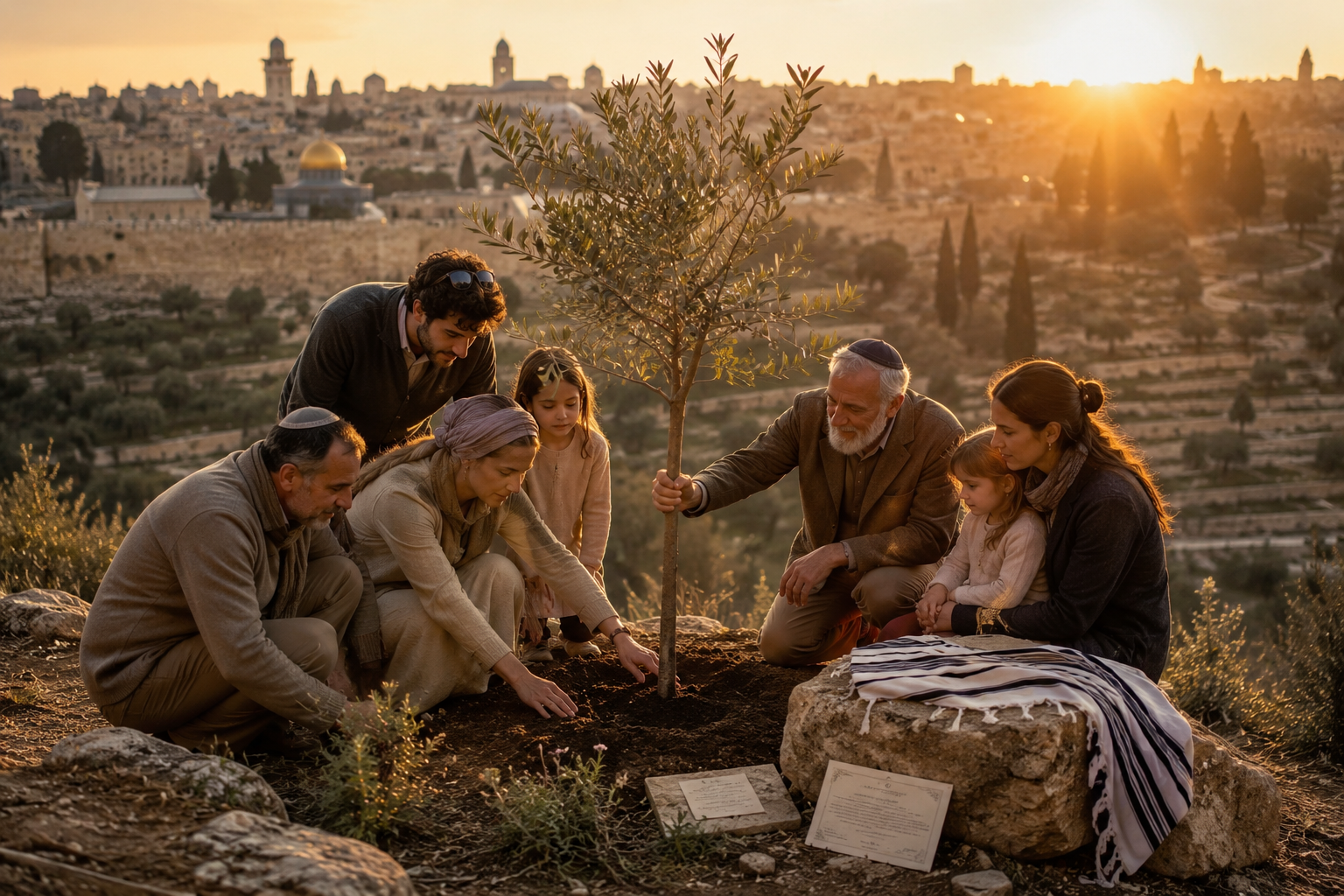
Religious leaders often stand for continuity. They anchor Sunday mornings, funerals, weddings, hospital visits, and the long, unglamorous work of listening. Planting a tree echoes those roles. Trees root, they offer shade, they bear fruit for others. In Jewish practice planting a tree in memory is a longstanding custom tied to life and connection to the land. Rituals in other traditions also find meaning in living things as ongoing presence. A tree is less a replacement for ceremony and more a continuation of it.
Choosing the right tree and place
Consider three things: the community, the climate, and the leader’s life. In a small churchyard an olive or an evergreen can read as steadiness. Near a community garden, a fruit tree honors a leader who fed or gathered people. If the leader had a particular phrase, habit, or cause, let that guide species and setting.
Practical considerations
Check local regulations and the long term care plan. Who will water and protect the young tree in its first years? Who will visit it, and when? If the congregation is dispersed, choosing a public or easily reached site can make the memorial accessible for anniversaries and quiet visits. For trees planted in internationally significant places, such as the Holy Land, partnering with local stewards ensures the planting is cared for beyond the first season.
Rituals that bring people together
A small ceremony at planting turns the act into a communal story. Keep it simple. Invite a brief reading, a moment for people to tie a colored ribbon to the stake, or a single song that mattered to the leader. These actions give permission to the community to return, to place themselves in that growing presence without a need to say everything at once.
- Invite brief remembrances from three people who knew the leader in different roles: one from the pulpit side, one from pastoral care, one from a community project.
- Provide a simple card or token that visitors can leave at the base during the first year.
- Plant at a time when the congregation can gather, not only on the anniversary but perhaps on a day of service the leader cared about.
- Include children in a practical way, such as placing mulch or pouring water; small tasks let grief enter hands and not only words.
- If the leader served a particular cause, add a plaque that names that focus without needing a long explanation.
Three reasons a tree can hold what words cannot
- Anchored memory: A tree marks a location people can return to. It creates a place where the leader’s daily routines once reached others, and where new moments can intersect with that memory.
- Growing presence: Unlike a single ceremony, a tree changes each season. That gradual change gives permission for the community to grieve in steps rather than all at once.
- Shared care: Tending the tree becomes a quiet, ongoing act of service. Caring for the living memorial invites people to keep giving, which mirrors the leader’s own habit of service.
Etiquette and theological notes
Different faith traditions will read symbols in particular ways. For some communities an evergreen’s permanence will feel comforting. For others a fruit tree’s cycles will resonate with themes of harvest and generosity. In Jewish custom, planting a tree in memory connects the person to the land and family continuity. If you are unsure, ask a few trusted members of the clergy or elders how such a living memorial would be received. This small consultation prevents misunderstandings and lets the memorial be born out of respect rather than assumption.
A non-obvious consideration: make the memorial participatory
It is easy to frame a memorial as a finished object. A plaque, a single dedication moment, a photograph. I urge a different move: design the memorial to require small, repeatable acts. A seasonal supper beneath the tree, a monthly circle to share brief updates about a project the leader loved, or a shared hymn on their birthday turns memory into a sustained practice. These rhythms prevent the tree from becoming a static marker and instead keep it in the daily life of the people who loved them.
Options for congregations who cannot plant locally
If the congregation cannot plant on its property, consider these alternatives.
- Partner with a local park or community garden for a dedicated planting.
- Plant with a conservation or reforestation partner in a meaningful region, and share the GPS location as part of the memorial.
- Create a symbolic planting box or indoor tree for smaller spaces and pair it with an outdoor planting that the congregation supports financially.
Closing: a gentle invitation
Planting a tree for the one who led a congregation is not a way to tidy grief. It is a method of joining loss to life, of letting care continue in a form that others can tend. If a congregation chooses this path, it can create a place where stories are kept, where rituals return, and where future generations can find a touchstone. For those looking for a clear next step, one option is to explore partners who plant memorial trees and can share location and stewardship details, such as plant a memorial tree. That practical detail makes the symbolic act something the community can visit, tend, and remember together.
Plant a real tree for someone you love
A living gift with an instant personalized certificate and the tree's GPS location.
Build Your Legacy Tree →